About
Ned to contact us?
Get in touch with our admin team
Cleft Explained
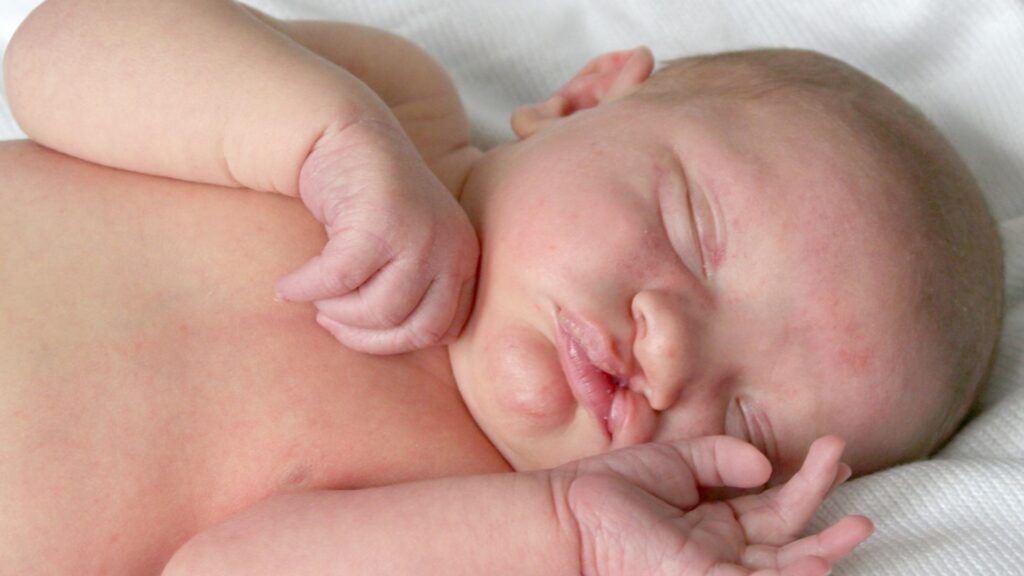
A cleft is a gap or split in the upper lip and/or the roof of the mouth (palate) that occurs very early in pregnancy, while the baby is developing. It’s one of the most common congenital conditions in the UK, affecting around 1 in 700 babies.
Our team is here to help you understand what this means, and to support you every step of the way.
Some Questions You Might Have
Here are some frequently asked questions that provide straightforward answers about cleft lip and palate, helping families understand the condition, what it means, and how it is treated. These questions cover the topics parents and carers often want to know first, offering clear information to support you from the beginning of your journey.
A cleft happens when parts of the baby’s face don’t fully come together during development in the womb. It can affect:
- The lip only (cleft lip)
- The palate only (cleft palate)
- Both the lip and palate
The cleft can appear on one side (unilateral) or both sides (bilateral), and the size and shape can vary from baby to baby.
In most cases, we don’t know exactly why a cleft occurs. It’s rarely caused by anything a parent did or didn’t do. It can be influenced by a combination of:
- Genetic factors (family history)
- Environmental factors (such as certain medications or nutritional deficiencies)
- Unknown causes — most clefts happen with no clear reason
Clefts sometimes occur alongside other medical conditions, but in most cases, babies are otherwise healthy.
Cleft lip and/or palate is one of the most common birth differences in the UK, with around 1 in every 700 babies affected. Many children with clefts go on to lead healthy, happy lives.
Cleft conditions are very treatable with the right care. Most children will have surgery in their first year of life, followed by ongoing support from a team of cleft specialists.
Treatment often includes:
- Surgery to repair the lip and/or palate
- Speech and language therapy
- Support with feeding, hearing, teeth and emotional wellbeing
Your child’s care plan will be tailored to their individual needs, and we’ll work closely with you from day one.
While the cleft may feel overwhelming at first, you are not alone. Cleft treatment has come a long way, and we’re proud to offer world-class care through the NHS.
To learn more about the full care process, visit our Care Journey page.