Surgery
Need to contact us?
Get in touch with our admin team
Lip Surgery
When?
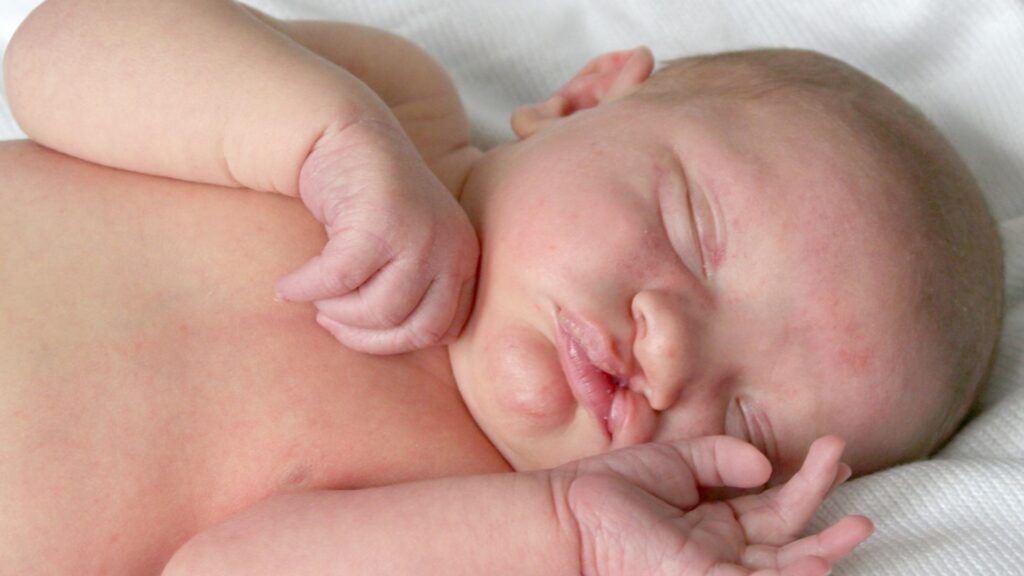
This usually happens when your baby is 3 to 6 months old. The doctors may change this depending on how healthy your baby is.
Why?
This operation fixes the shape of the lip, and helps the nose too. In a cleft lip, the skin and muscle of the lip have attach to the base of the nose instead of each other. This operation joins the skin and muscle together properly.
How?
Your baby will be asleep during the operation, so they will not feel anything. The surgeon gently separates the muscle and skin from the base of the nose, then stitches them together in the middle. Sometimes they also move the nasal septum (the part of nose that divides the two nostrils) to help make the nose more even. If your child has a cleft palate too, the surgeon might close the front part of it during this operation.
What Will Happen?
Please tell us if your child is unwell in the week before the operation, for example if they have a runny nose. This matters because being unwell can make the anaesthetic (medicine that puts your child to sleep) and the healing afterwards more risky. Your cleft nurse will call you to answer any questions before the operation.
We will tell you exactly when you can last feed your child before the operation. Click here to find out where to bring your child on the day (link to AH and RMCH specific instructions on how to get to the ward).
Depending on your child's operation, you might go home the same day or stay one night on the ward. Most babies go home the day after surgery if they are feeding well.
Aftercare
You can feed your baby straight after the operation. Click here for feeding advice.
We recommend giving regular paracetamol and ibuprofen for a week after surgery. We may give you these medicines before you leave hospital.
What Are The Risks?
Signs of infection include a high temperature, being sick, not feeding well, redness around the wound, or bad-smelling fluid coming from the wound. We can usually treat this with antibiotics (medicine that fights infection). We also give antibiotics during the operation to help stop this happening.
A little blood in your child's saliva or coming from the nose is normal. In rare cases, fresh bleeding can come from the wound. If this does not stop within 10 minutes, bring your child to A&E (Accident and Emergency). If this happens a week after the operation, it could be a sign of infection. You can call on call cleft nurse if you need advice.
We would expect the wound to heal within 1-2 weeks, but sometimes it remains crusty or sore for a little longer.
Breathing problems are rare after lip repair. Babies breathe through their nose until they are 6 months old, and this operation makes the nostril on the cleft side a little narrower.
Most scars fade to a thin, flat line over time. If a scar stays lumpy or red, we can offer silicone cream (a special cream that helps scars heal) or other treatments to help it settle.